In 2013, USA Pickleball had just over 4,000 members and a National Championships event with hundreds of players. As Justin Maloof steps away from his full-time role at the end of 2026, the organization is using that starting point to mark how far organized competition has moved.
Maloof will leave his chief competition officer job and continue as a consultant, according to the announcement. For players, the practical story is not one person alone; it is how staff, officials, volunteers, and athletes helped turn a small championship into a national pathway.
At a Glance
|
 AI generated photo for All American Pickleball Association. |
What Maloof helped build
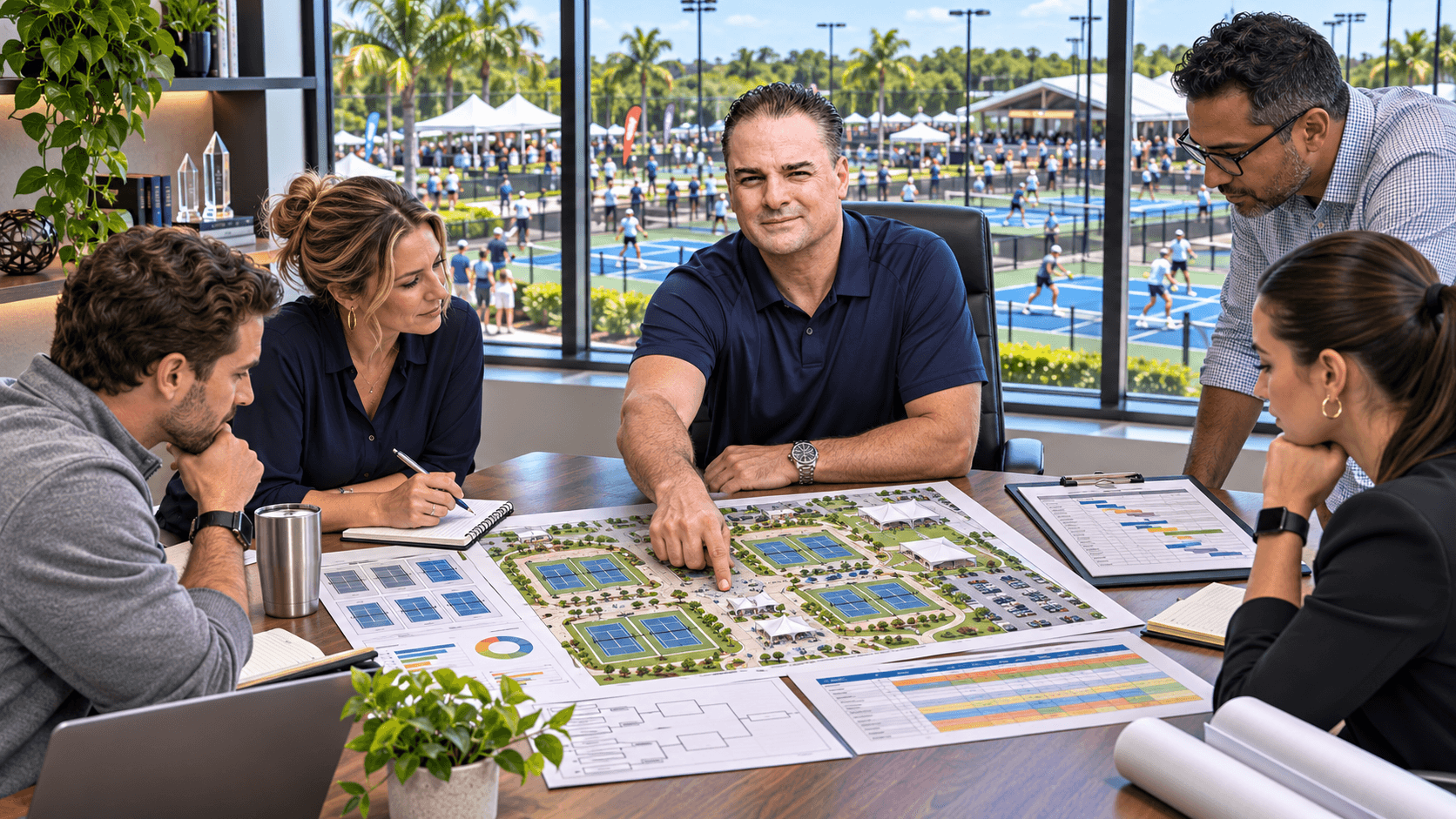
Maloof arrived when USA Pickleball was moving beyond a volunteer-led foundation. The organization says his work as executive director spanned operations, member services, partnerships, and competitive development. Those are the unglamorous systems that make sanctioning, officiating, event standards, and player communication possible.
His career did not stay in one title. He moved from executive director to chief operating officer in 2021, then to chief competition officer in 2024. The current team biography describes that competition portfolio as including Nationals, sanctioned and certified play, officiating, and other national-governing-body operations.
That framing matters because a growing sport needs more than viral participation. It needs processes players can understand: qualification rules, event policies, officiating expectations, and a place to check what applies before tournament travel.
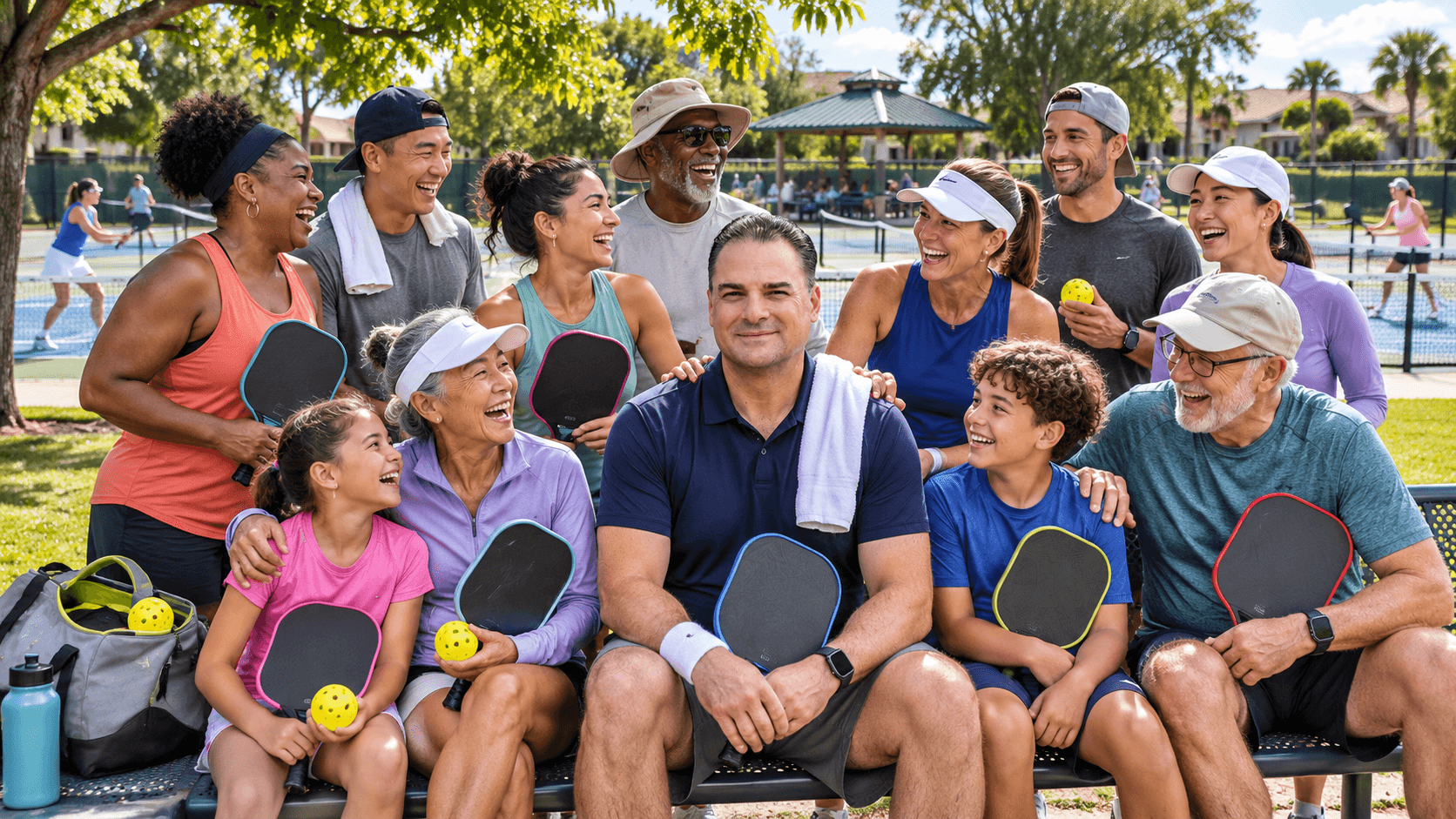
A legacy story should recognize the people who built systems without suggesting that one executive alone created a sport. USA Pickleball’s own announcement credits the wider community of players, volunteers, officials, and staff behind Nationals. |
 AI generated photo for All American Pickleball Association. |
How Nationals changed alongside the sport
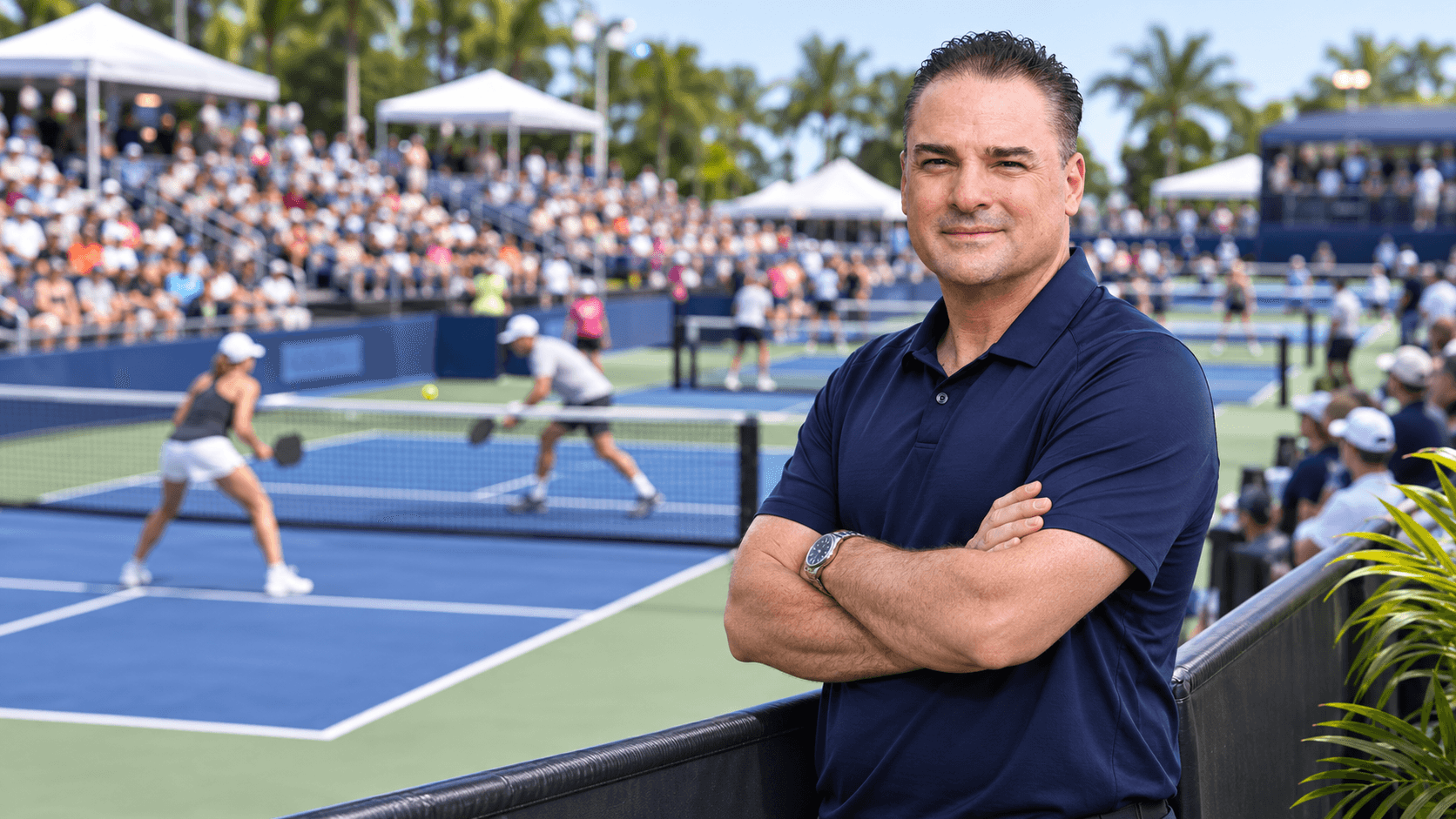
Maloof’s involvement with Nationals dates to 2013, when he helped direct the tournament at Sun City Festival in Arizona. The event later moved through Indian Wells, Dallas, Mesa, and San Diego as it expanded from hundreds of competitors to a championship featuring thousands of athletes, television coverage, and a wider fan experience.
The 2026 version shows the current scale, not a finished endpoint. The official Nationals site describes Barnes Tennis Center as the host for competition across age groups, skill levels, and divisions. Its daily schedule page is a useful example of the practical information competitive players now expect before they travel.
For qualified athletes, the route has structure. Entrants can reach Nationals through the Path to Nationals, including Golden Ticket tournaments and the Tiered Point System. That does not make every player a Nationals contender, but it does make the path more visible than a casual observer might realize.
The bigger lesson for tournament players is simple: enjoy the scale of the event, then read the current rules and qualification details for the competition you actually plan to enter. |
 AI generated photo for All American Pickleball Association. |
What players can take from this transition?
Maloof’s consulting role means USA Pickleball is not presenting this as an abrupt disappearance of institutional knowledge. Still, a leadership transition is a sensible moment for players, coaches, and organizers to pay attention to what remains reliable: official calendars, qualification criteria, equipment rules, and tournament communications.
Players can start with USA Pickleball’s news page, then use the Nationals site for event-specific schedules and spectator information. For a future event, the organizer’s own written materials should always outrank a social-media recap or an old screenshot.
That is where the legacy becomes useful at club level. A mature competition system helps a first-time qualifier, a longtime amateur, and a volunteer referee find the same rulebook and the same current information.
The Bottom Line
Justin Maloof’s nearly 14 years at USA Pickleball track a period in which Nationals grew from a modest Arizona event into a major championship with a more formal player pathway. His move from full-time chief competition officer to consultant is a transition, not a claim that the work is done.
For players, the useful next step is to honor the history by using the systems it helped strengthen: verify eligibility, read event notices, and check the current official details before you register or travel. That keeps the story grounded in the people who make organized pickleball work today. |
5 Comments
Join the conversation
My first tournament had volunteers doing a little bit of everything. I’m glad they got a mention here, because those events depend on them.
Barnes Tennis Center was a fitting spot for Nationals this year. I’d be curious to hear what the players thought of the setup.
I’m glad Maloof is staying on as a consultant. It sounds like a sensible way to keep his experience around while someone new takes over.
Going from just over 4,000 members in 2013 to a national competition pathway is impressive. Credit to Maloof and the volunteers who helped build it.
Thank you so much for the kind words! It really has been an incredible journey to watch unfold. None of it would have been possible without the dedication of Maloof and the countless volunteers who poured their time and passion into building this community from the ground up. We're excited to see where the pathway goes next!