

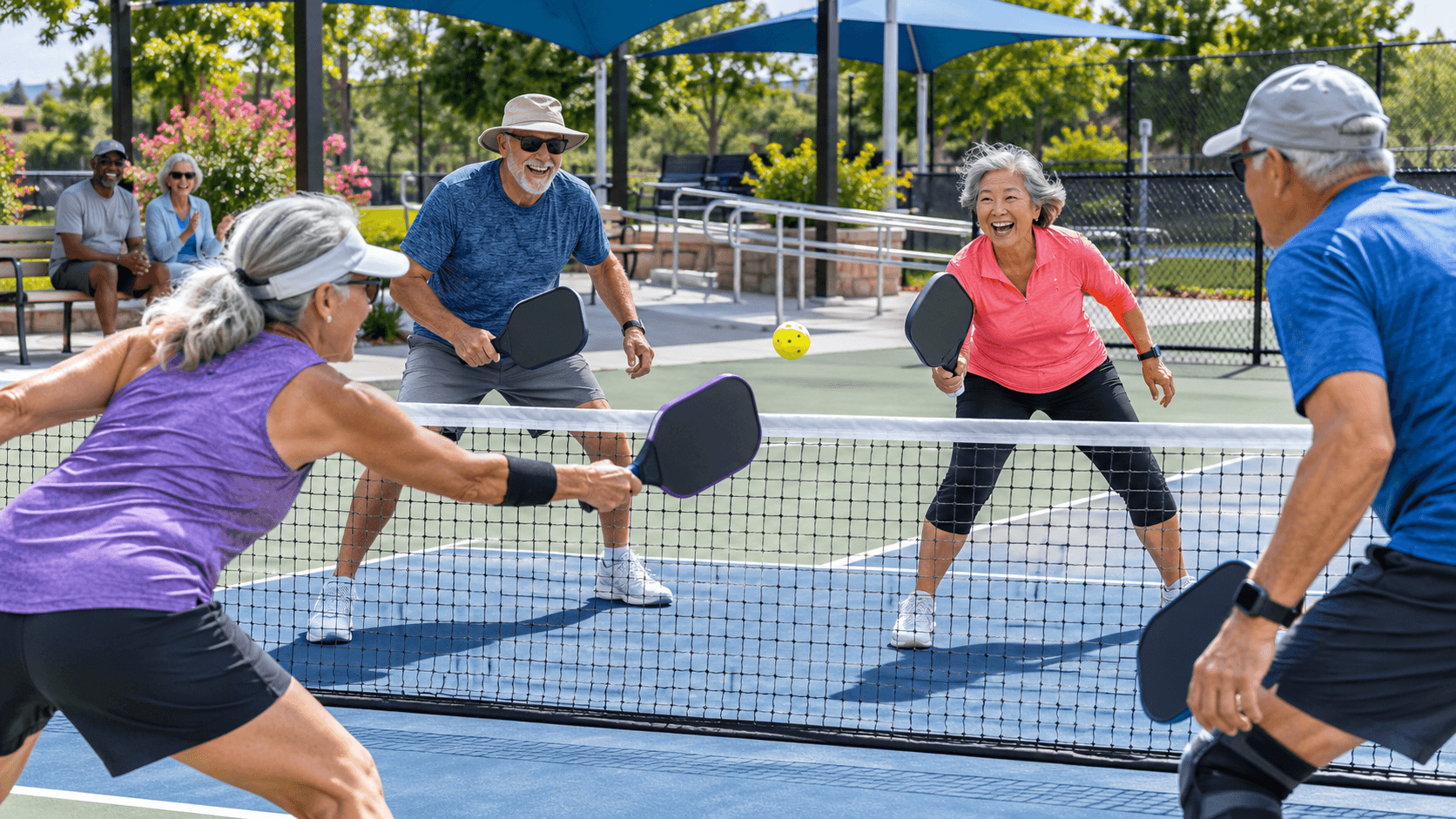
Pickleball’s appeal has never been limited to one age group, and a new USA Pickleball partnership is putting that idea front and center. The organization has named Cogir Senior Living its official senior-living partner.
For older players, families, and community organizers, this is positive news because it frames pickleball as more than a competition. It is also a practical way to move, meet people, and stay connected.
At a Glance
Why this is a useful pickleball story
Pickleball is social by design. Games are short, doubles play is common, and newcomers can often join a rotation without needing years of experience. That makes it a natural fit for communities looking to create regular movement and conversation.
The partnership does not promise a court in every senior-living community. It does signal national attention to the role the sport can play in wellness and social connection.
Anyone beginning a new activity should match the pace to their own needs. USA Pickleball’s beginner resources and local instructors can help players start with basic rules, safe movement, and a manageable schedule. |
 AI generated photo for All American Pickleball Association. |
A better way to begin or return
What the partnership can encourage
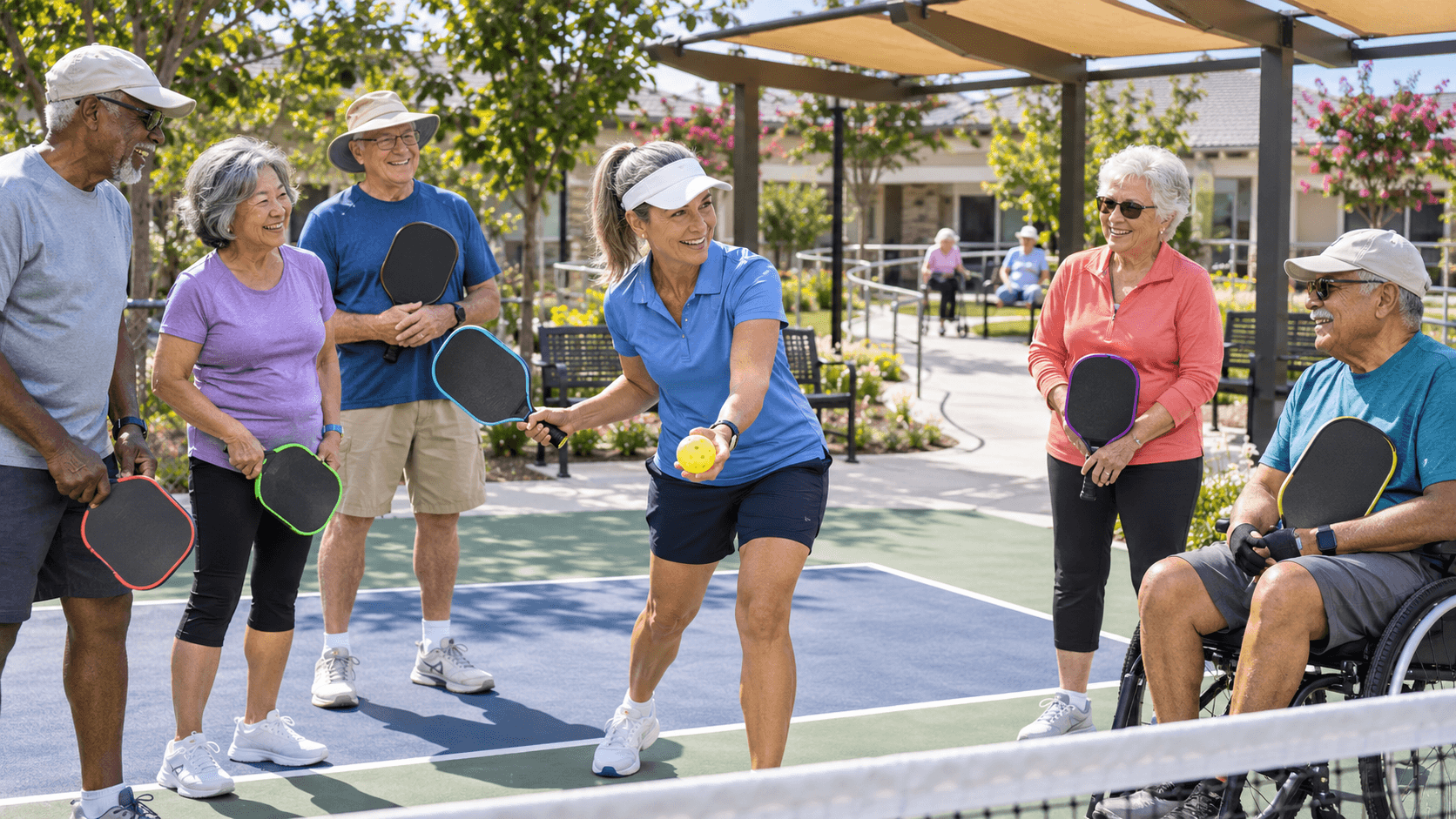
Programs that offer inclusive scheduling, introductory clinics, and patient instruction can make a court feel approachable for players at every stage. Families can support older relatives by helping identify nearby programs and taking the first visit together.
That is the lasting upside of the partnership: wider recognition that pickleball can support belonging as well as competition. For players, the next step is simple: find one local session, ask about the skill level, and give the game time to become familiar. What inclusive play looks like in practice
Access does not start and end with a court. A welcoming session has an easy sign-up process, clear skill labels, a pace that lets newcomers learn, and a culture where players can ask questions without feeling behind.
For older adults returning to activity, the best first goal is not to play a full afternoon. It is to leave a short session feeling confident enough to come back. Start with a warm-up, comfortable shoes, water, and a partner who knows the basic flow of scoring. |
 AI generated photo for All American Pickleball Association. |
Small adjustments can make a big difference:
Connection is part of the benefit
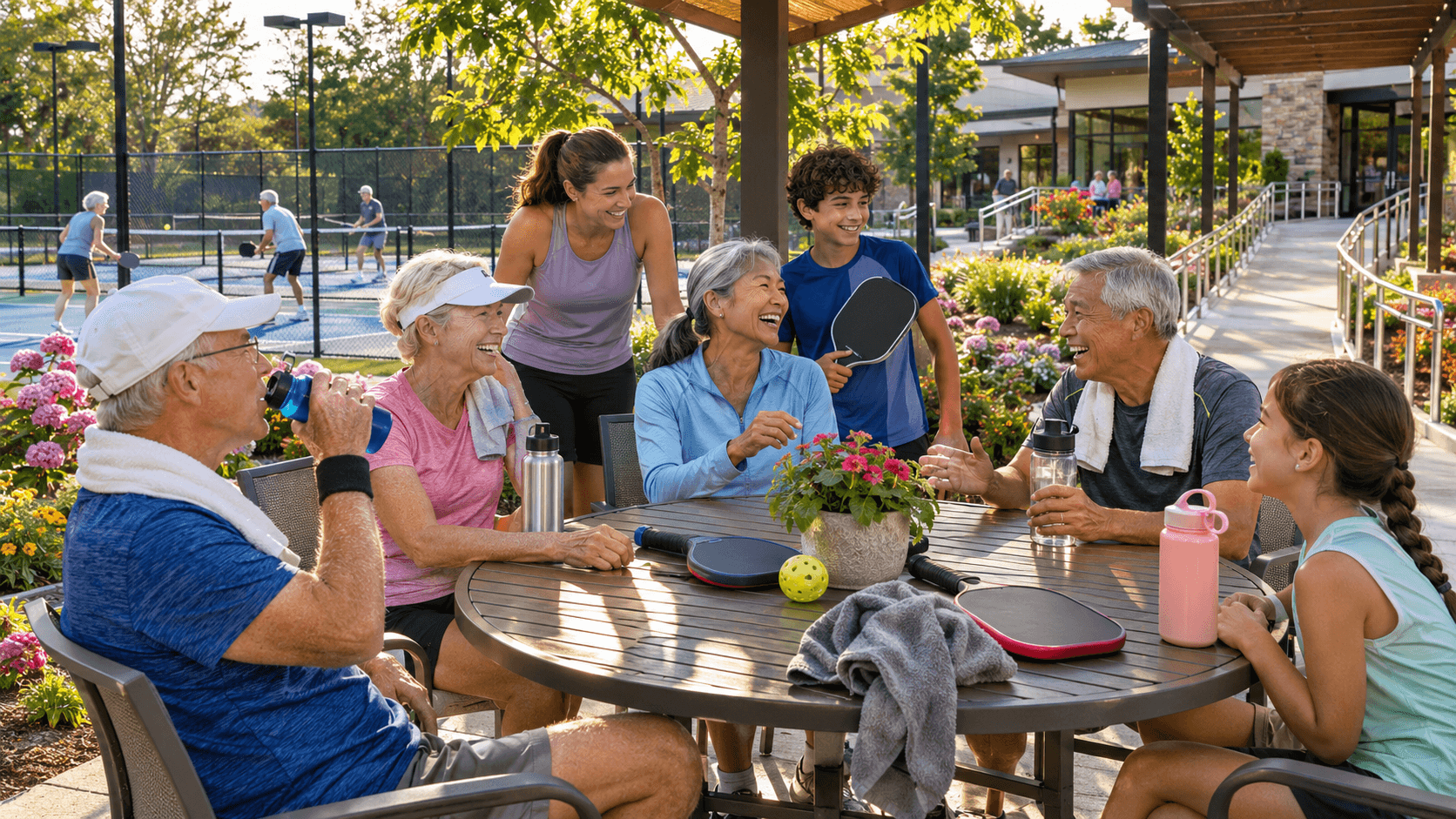
Pickleball’s social rhythm is one of its strengths. Doubles partners rotate, games create natural conversations, and players can improve without treating every outing like a tryout. That is especially valuable for someone looking for a routine as much as a new sport.
Families, senior-living staff and club leaders can help by creating low-pressure introductions: one lesson, one open-play session and one familiar face on the court. The new partnership gives that simple model national visibility, but the everyday experience will still be built locally.
Bottom line
Cogir and USA Pickleball are highlighting a version of the sport built around movement, confidence, and community. The best next step is to find a beginner-friendly session, ask one practical question, and permit yourself to learn at your own pace. Keep the next step simple
Use the official organization’s information before changing a training plan, entering an event, or buying new equipment. A reliable source, a clear calendar, and a manageable goal will do more for a player than rushing into the next opportunity.
Progress is built through regular, enjoyable play—not one perfect session. |
0 Comments
Join the conversation
Be the first to comment
Share your thoughts above.